Why Healthcare Property Continues to Attract Long-Term Investors
August 2026
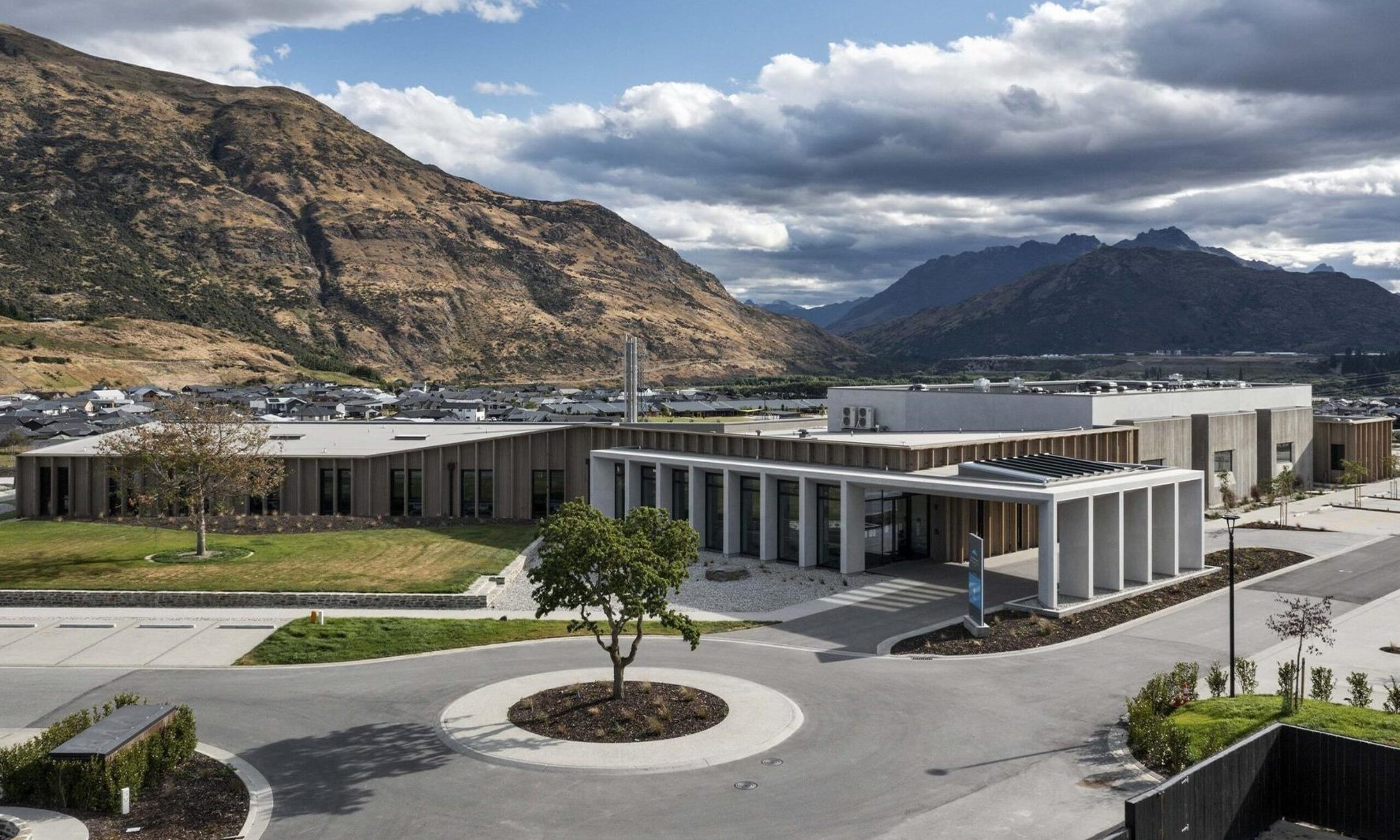
Healthcare Property: A Sector Built on Long-Term Demand
In an environment where investors are seeking stable income and resilient assets, healthcare property continues to gain attention as a compelling long-term investment sector. From medical centres and specialist clinics to integrated healthcare precincts, these assets provide exposure to an industry underpinned by essential services and powerful demographic trends.
As artificial intelligence continues to transform industries, healthcare remains fundamentally centred on people, facilities, and specialised infrastructure. While AI is expected to improve efficiency, diagnostics, and clinical decision-making, healthcare services still require physical environments where patients can receive treatment, consultations, procedures, and ongoing care. This distinction continues to support the long-term relevance of healthcare property.
Unlike many commercial property sectors, healthcare real estate benefits from demand drivers that are less influenced by economic cycles. Regardless of market conditions, healthcare services remain a necessity, creating consistent occupancy demand and supporting long-term tenant retention.
The Demographic Trends Supporting Healthcare Investment
One of the strongest drivers of healthcare property investment is New Zealand's changing population.
As the population grows and ages, demand for healthcare services continues to increase. Older populations typically require more frequent medical care, specialist treatment, and ongoing health support, creating sustained demand for healthcare facilities and the infrastructure needed to deliver those services.
At the same time, healthcare providers are expanding to meet the needs of growing communities. In addition, ongoing capacity pressures within the public health system are contributing to increased demand for private healthcare services, supporting the need for modern medical facilities and specialist healthcare environments.
This has increased demand for modern medical facilities that can accommodate specialist services, diagnostic equipment, consulting rooms, and integrated healthcare delivery.
Technology and AI are also expected to help healthcare providers manage growing demand more effectively. From streamlining administrative processes to supporting patient diagnosis and care pathways, these advancements may improve how healthcare is delivered. However, rather than reducing the need for healthcare facilities, they are likely to increase the requirement for modern, technology-enabled medical environments capable of supporting increasingly sophisticated healthcare services.
For property investors, these long-term demographic trends provide a level of confidence that healthcare-related demand is likely to remain strong well into the future.
Defensive Characteristics in Uncertain Markets
Healthcare property is often described as a defensive asset class, and for good reason.
Medical tenants provide services that communities depend on, which can make healthcare facilities more resilient during periods of economic uncertainty. While consumer spending patterns can affect sectors such as retail and hospitality, healthcare services remain an essential part of everyday life.
The sector has also historically demonstrated lower volatility than many traditional commercial property sectors, helping it maintain investor interest through changing market conditions. Healthcare facilities were considered essential services during the COVID-19 pandemic, reinforcing the importance of these assets within local communities.
The Appeal of Long-Term Lease
Another key reason healthcare real estate attracts long-term investors is the quality and duration of tenant leases.
Healthcare providers often invest significant capital into specialised fit-outs, equipment, and operational infrastructure. As a result, many medical tenants seek long-term occupancy arrangements that provide certainty for their businesses and patients.
These longer lease structures can provide investors with greater income visibility compared with some other commercial property sectors. Fixed rental growth provisions and established tenant relationships can also support predictable cash flow over time.
For many investors, this combination of income stability and long-term occupancy is a significant attraction.
The Growth of Healthcare Precincts
Across New Zealand and internationally, healthcare precincts are becoming increasingly important.
Rather than operating as standalone facilities, healthcare providers are increasingly locating alongside complementary medical services, creating integrated healthcare destinations that offer convenience for patients and operational efficiencies for providers.
These precincts can bring together specialists, primary care providers, diagnostics, allied health services, pharmacies, and other healthcare professionals within a single location. This collaborative environment often enhances patient experience while supporting demand for well-located healthcare property. As healthcare providers continue to integrate new technologies and AI-driven tools into their operations, precinct-based models may become even more valuable, creating opportunities for more connected and efficient healthcare delivery while reinforcing the importance of physical healthcare infrastructure.
Purpose-Built Medical Facilities Offer Strong Fundamentals
Modern healthcare delivery requires specialised buildings designed around patient care, technology, accessibility, and compliance requirements.
Purpose-built medical facilities often feature specifications that are difficult and costly to replicate, including load bearing capacity, specialist ventilation systems, diagnostic spaces, accessibility provisions, and clinical-grade services.
As medical technology continues to evolve, healthcare facilities must evolve alongside it. The increasing use of advanced imaging, diagnostic technologies, digital health systems, and AI-supported healthcare applications is reinforcing the importance of purpose-built buildings that can accommodate specialised equipment, data requirements, patient accessibility, and future technological advancements.
These characteristics can create barriers to entry and contribute to the long-term relevance of quality healthcare assets. Properties that meet the evolving needs of healthcare providers, both today and in the future, are often better positioned to attract and retain tenants over the long term.
Looking Ahead
Healthcare property continues to benefit from powerful structural trends including population growth, an ageing demographic profile, increasing healthcare demand, and the ongoing expansion of medical services. These themes are reflected across New Zealand's healthcare sector, where demand for primary and community healthcare services continues to grow alongside broader demographic pressures.
Combined with the defensive nature of the sector, long-term lease structures, the growing prominence of healthcare precincts, and the increasing integration of technology into healthcare delivery, these factors continue to support investor interest in healthcare real estate. Healthcare property has historically been viewed as a resilient asset class, supported by stable medical businesses, long lease terms, and enduring community demand.
While all investments carry risk, healthcare property remains a sector many investors continue to watch closely as they seek assets with strong fundamentals, essential-service demand, and long-term growth potential. As AI reshapes many parts of the economy, healthcare real estate remains anchored to the delivery of essential human healthcare services, positioning quality medical facilities to benefit from technological advancement while continuing to serve a fundamental community need.